
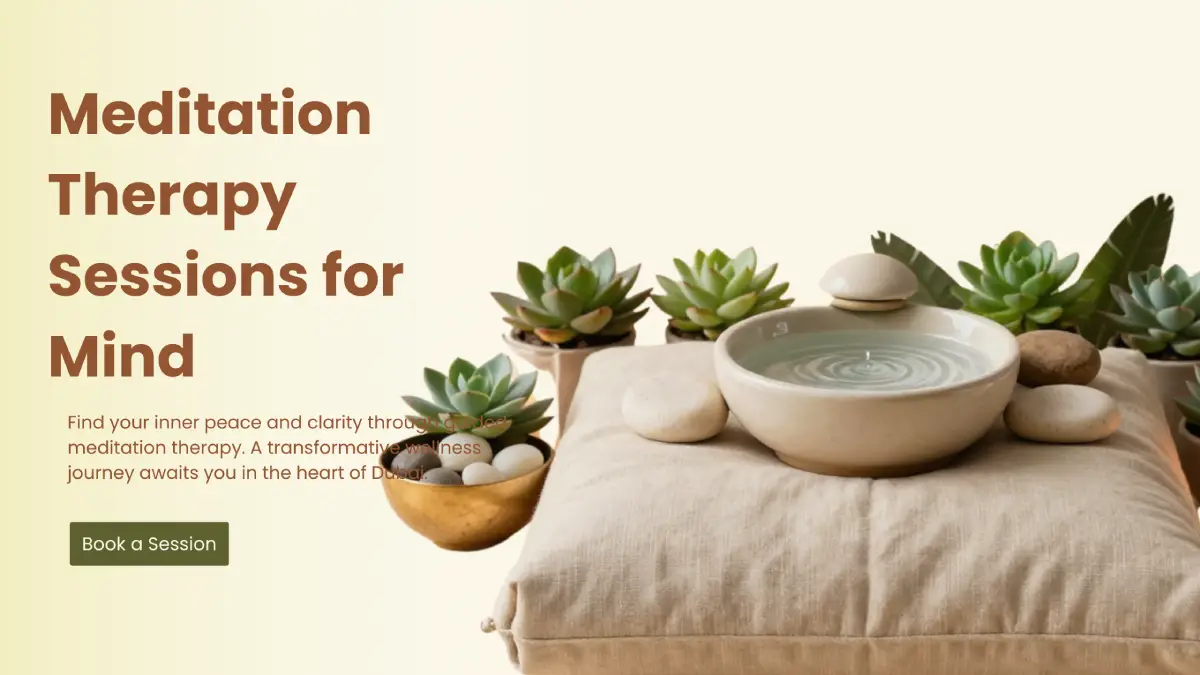
Dubai moves fast. Mornings start early and evenings often end late. Between work calls, traffic, family plans and the pressure to keep doing more, a quiet mind can feel like a rare thing. Even after reaching home, some people keep thinking about tomorrow’s tasks. The body is tired but the mind is still busy.
This is where meditation therapy sessions for the mind in Dubai can offer a different kind of pause. At Inner Work with Pranav, the idea of inner work feels less about becoming a perfect person and more about understanding what is happening inside. Sometimes a little quiet can help a person notice things that get lost on a busy day.
Why Are More People Looking for Meditation Therapy Sessions in Dubai?
Life in Dubai can be exciting. There are new jobs, new places and many chances to grow. But the pace can also be tiring. A person may spend the whole day solving problems and still feel uneasy when the work is done.
Think of someone sitting in a car after a long office day. The engine is off but thoughts about a meeting keep going around. Then an old family worry comes up. Before long, the mind is working again without any real need.
Meditation offers a way to slow down and notice these thoughts. It does not mean forcing the mind to become empty. That can be hard and often makes people more frustrated. The first step is simply noticing what is going on without judging every thought.
For some people this feels strange at first. Sitting quietly can bring up feelings that have been pushed aside all day. Still, with gentle practice, it may become easier to respond to daily stress with a little more care.
What Happens During a Meditation Therapy Session?
A session does not need to feel formal or complicated. The person may begin by talking about daily stress, sleep troubles or a feeling of being stuck. From there, the practice can focus on breathing, body awareness or quiet attention.
At Inner Work with Pranav, people exploring meditation may find it useful to approach each session with an open mind. The aim is not to perform meditation perfectly. It is to make space to notice thoughts and feelings without rushing to change them.
A simple session may include:
- A short conversation about current concerns.
- Gentle breathing and attention exercises.
- Time to notice thoughts without fighting them.
- A few minutes to reflect on what felt useful.
- A simple practice to try during the week.
Not every session will feel peaceful. Some days the mind may wander every few seconds. Other days the practice may feel easier. Both are normal experiences during meditation.
The most useful part may happen later. A person who notices tension building before a difficult conversation might pause, breathe and choose a calmer response. Small changes like this can matter in everyday life.
Can Meditation Help With Stress and Overthinking?
Meditation may help people manage stress and become more aware of their thought patterns. It can support relaxation and help some people build better attention. Results vary, though. A single session is unlikely to solve every problem.
Overthinking often starts with a small concern. A short message from a manager feels worrying. A delayed reply from a friend leads to more questions. Soon the mind has created a whole story without knowing the facts.
Mindfulness practice can help create a little space between a thought and a reaction. Instead of believing every thought straight away, a person can notice it and ask whether there is a real problem to solve.
Common concern | A meditation practice to try |
Busy thoughts | Notice each breath for two minutes |
Work stress | Pause and relax the shoulders |
Restless evenings | Try a short body scan |
Strong emotions | Name the feeling without judging it |
Poor focus | Return attention gently to one task |
These practices are not magic fixes. They are small skills that may become more useful with regular use. If stress is severe or lasts a long time, support from a qualified mental health professional can also be important.
Is Guided Meditation Better Than Meditating Alone?
Guided meditation can be helpful for beginners because another person provides direction. It can be easier to follow a calm voice than to sit alone wondering whether the practice is being done correctly.
Meditating alone has its own value. It allows people to build a routine that fits their day. Even five quiet minutes before breakfast can become a useful habit.
The choice depends on the person. Someone who feels unsure may prefer guided sessions at first. Someone who already has a steady practice may enjoy quiet time alone. There is no single method that suits everyone.
Practice | May suit people who | Suggested starting point |
Guided meditation | Want support and clear steps | 10 minutes |
Quiet breathing | Prefer a simple routine | 3 to 5 minutes |
Body scan | Notice tension in the body | 5 to 10 minutes |
Mindful walking | Find sitting still difficult | 5 minutes |
The important thing is to start small. A short practice that fits daily life is often easier to keep than a long session that feels like another task on the list.
How Can You Make Time for Inner Work in a Busy Dubai Life?
Finding time can be the hardest part. There is always another email or one more thing to finish. Waiting for a completely free hour may mean never starting at all.
A simple routine works better for many people. Try sitting quietly after waking up. Take a few slow breaths before opening the phone. During lunch, step away from the screen for a moment. Before bed, notice where the body feels tight and allow the muscles to soften.
These little pauses may not look impressive. Yet they can make the day feel less rushed. The goal is not to remove every difficult feeling. It is to become more aware of feelings before they take over.
Inner Work with Pranav is a name to explore when looking for meditation support in Dubai. Before booking, it is sensible to ask about the session format, the practitioner’s training, the approach used and whether the sessions suit personal needs. Clear answers help people decide with confidence.
Meditation should also feel comfortable and respectful. No one should feel pushed to share more than they want. If a practice brings up strong distress, it is okay to stop and seek suitable professional support.
What Should You Expect From Your First Session?
The first session is a chance to learn, not a test. There is no need to arrive with a calm mind or special experience. Feeling awkward is common, especially for people who have never tried meditation before.
A useful first session should leave room for questions. The person leading it should explain the practice in simple words and respect personal limits. It is also fair to ask what the session can and cannot offer.
Afterwards, notice how the experience felt. Was the pace comfortable? Were the instructions clear? Did the session feel respectful? These questions can help when deciding whether to continue.
Progress can be quiet. It might mean noticing stress sooner or taking a breath before reacting. It might simply mean spending five minutes without checking a phone. Those changes may seem small, but they can be a good place to begin.
Meditation therapy sessions for the mind in Dubai are not about escaping everyday life. They are about meeting it with a little more awareness. Through Inner Work with Pranav, anyone exploring this path can start by asking simple questions, trying a suitable practice and giving the process time. There is no need to rush. Sometimes a small pause is enough to begin.