
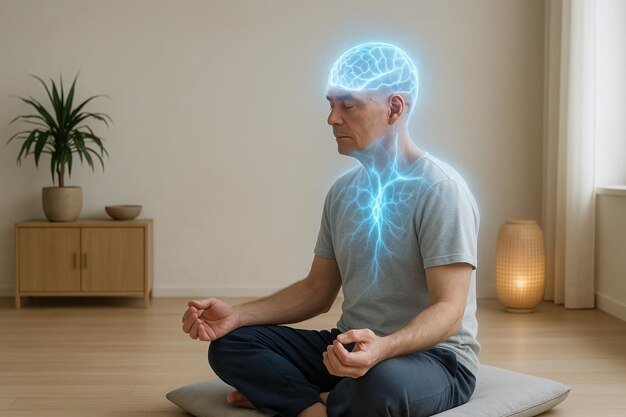
Nervous system regulation sounds like a very serious wellness term. But in daily life, it can be as simple as noticing that the body is constantly preparing for something bad.
A person may be sitting in a quiet room, drinking chai, and still feel restless. Nothing is actually happening. Yet the shoulders stay tight, breathing becomes shallow, the stomach feels strange, and the mind keeps checking the phone. That is where nervous system regulation becomes practical.
It is not about becoming calm 24 hours a day. That is unrealistic. People get irritated, worried, excited, angry and overwhelmed. The useful part is learning how the body responds and finding ways to return to a more manageable state.
The Body Often Reacts Before the Mind Understands
A common example is an office message saying, “Can you call when free?” For some people, that one sentence can create instant tension. The brain starts guessing: “Did something go wrong?” “Is there a problem?” “Was some mistake noticed?”
Nothing has been confirmed, but the body has already reacted. The nervous system can move into a stress response even when there is no immediate physical danger. Heart rate may increase. Muscles can tighten. Breathing can change. Attention becomes focused on finding the threat. This is why simply saying “don’t overthink” rarely works. The body needs signals of safety too.
Nervous System Regulation Can Start With Small Things
There is a tendency to make regulation complicated. Cold showers, long meditation sessions, special breathing methods and expensive wellness programmes get plenty of attention.
Some people genuinely benefit from these things. But regulation can also begin with very ordinary habits like:
- A slow walk after dinner
- Sitting in sunlight for ten minutes
- Putting the phone away before sleeping
- Eating regularly instead of surviving on coffee until lunch
- Taking three slower breaths before replying to an irritating message
- Talking to a trusted person after a difficult day.
These actions may look too simple. Still, repeated simple actions can matter because the nervous system responds to patterns, not just dramatic interventions.
Why “Just Relax” Usually Does Not Help?
Telling an anxious person to relax is a bit like telling a noisy pressure cooker to become quiet. The instructions are understandable, but not very useful.
When the nervous system is activated, reasoning alone may not immediately settle the body. A person may know, logically, that everything is fine and still feel unsafe.
This explains a strange experience many people have: “Nothing is wrong, but something feels wrong.” The feeling is real, even when the perceived danger is not.
Nervous system regulation focuses on creating enough safety for the body to settle instead of forcing calmness through willpower.
Regulation Is Different From Avoiding Every Stressful Situation
This part gets missed. Avoiding every uncomfortable conversation, difficult meeting or unfamiliar situation may provide temporary relief. But constant avoidance can teach the brain that discomfort itself is dangerous. Better regulation means building capacity to experience discomfort without becoming completely overwhelmed.
For example, before a presentation, a person might feel shaky. Instead of immediately escaping the presentation, there can be a pause, slower breathing, feet firmly touching the floor, and attention brought back to the room. The goal is not “zero anxiety”. The goal is “enough steadiness to continue”. That difference is quite important.
The Everyday Signs Are Easy to Miss
Nervous system dysregulation does not always look like a panic attack. Sometimes it looks like scrolling endlessly at night. Sometimes it is snapping at family members over small things.
Sometimes the person feels tired but cannot sleep. Sometimes there is constant checking of notifications, difficulty concentrating, rushing meals, jaw tension or a strange inability to sit quietly.
There can also be the opposite pattern. A person may feel disconnected, numb, unusually slow or emotionally blank. Instead of feeling highly activated, the system may seem to shut down.
So, “calm” and “regulated” are not always the same thing. A person sitting silently for hours may be peaceful. Or completely shut down. Context matters.
Sleep Has a Bigger Role Than Most Wellness Advice Admits
Poor sleep makes emotional regulation harder. This is not glamorous advice, but it is probably one of the most practical.
A person sleeping five hours, drinking several cups of strong coffee and dealing with work pressure should not expect the nervous system to behave like a monk on a mountain.
A realistic evening routine can help. Lower bright lights. Finish intense work earlier where possible. Reduce constant phone checking. Keep sleeping and waking times reasonably consistent. Perfect sleep is not required. Consistency is often more realistic.
Food, Movement and Connection Matter Too
The nervous system is connected to the rest of the body. That sounds obvious, but wellness conversations sometimes separate mental wellbeing from basic physical needs.
Hunger can make irritation worse. Too much caffeine can increase jitteriness. Sitting all day can leave the body feeling restless. Lack of human connection can make stressful thoughts louder.
A simple example: after a stressful workday, a short walk, proper dinner and an honest conversation may help more than another hour of scrolling through motivational videos.
Not every problem needs another video. Sometimes the body needs food, movement, rest or connection.
Breathing Can Help, But It Is Not Magic
Slow breathing is commonly suggested for nervous system regulation because breathing patterns can influence the body’s stress response. But forcing deep breaths can actually feel uncomfortable for some people.
A gentler approach is usually better. The breath can become slightly slower and softer without trying to take enormous breaths.
For example, before entering a stressful meeting, attention can move towards a comfortable, unforced exhale. The shoulders can drop a little. Feet can be noticed against the floor. Small changes are enough.
Regulation Can Be Practised During Real Life
There is no need to wait for a perfect meditation corner. At a traffic signal, notice the jaw. Before opening an upsetting email, pause. During an argument, feel both feet on the floor. After receiving criticism, avoid immediately sending a defensive reply.
While waiting in a hospital, office or railway station, notice sounds and physical surroundings instead of continuously predicting what will happen next. These tiny moments become practice. And yes, some days nothing works properly. That does not mean the practice has failed.
When Professional Support Makes Sense
Self help has limits. If anxiety, shutdown, panic, sleep problems or emotional overwhelm regularly interfere with work, relationships or normal daily activities, professional mental health support can be useful.
Nervous system regulation should not become another reason for self blame. “The nervous system is dysregulated” should not turn into “everything is the person’s fault.”
Human behaviour is influenced by relationships, environment, experiences, physical health and many other factors. The useful question is often simpler: “What helps the body feel a little safer right now?” That question can lead to a practical next step rather than another battle with the mind.
FAQs
What is nervous system regulation?
Nervous system regulation means helping the body respond to stress in a more manageable way. It involves recognising activation or shutdown and using supportive habits such as breathing, movement, rest, connection and grounding to return towards greater stability.
How can nervous system regulation help anxiety?
Nervous system regulation may help reduce the intensity of stress responses by giving the body cues of safety. Gentle breathing, regular sleep, movement, grounding and supportive connection can make anxious moments easier to handle without demanding instant calm.
How long does nervous system regulation take?
There is no fixed timeline. Some grounding techniques may help within minutes, while steadier regulation usually develops through repeated habits. Sleep, stress levels, personal history and environment all influence progress, so individual experiences can vary considerably.
Can nervous system regulation be practised daily?
Yes. Daily practice can be very ordinary. A short walk, slower breathing, regular meals, adequate sleep, pauses before reacting and time with supportive people can all become practical regulation habits without requiring long or complicated routines.
A Practical Starting Point
For someone feeling constantly “on edge”, starting with ten different techniques may become another burden. Better to pick two. Perhaps a ten minute evening walk and a phone free period before bed. Or three slow breaths before difficult conversations and a regular breakfast. The point is not to become perfectly regulated. Human beings are not machines with a permanent calm setting. The point is to notice patterns earlier, respond with a little more choice, and make recovery from stress easier.
For more grounded guidance and support around nervous system regulation and inner work, visit inner work with pranav.